What one gets from a laser skin treatment in terms of pain management is a function of many things: the type of laser, how deep it goes, where on the body it is applied, skin type and personal tolerance for pain. The vast majority would put it down to stinging or heat, a sharp flick like an elastic band or some snapping, not something they would call unendurable. To keep discomfort to a minimum, clinics will have their methods, be it topical anaesthetic, cooling or judicious use of the laser settings and aftercare.
I am Alexander Vale and in my experience patients are more concerned with the unknowns than the laser proper. They want to know if their face is going to be rough as guts when it is over, if they can drive home and what the duration of any discomfort will be. I have put together this guide to set out what is involved, the sort of questions to pose before you make a booking and the pain-relief options on offer.
Discomfort from Laser Treatment
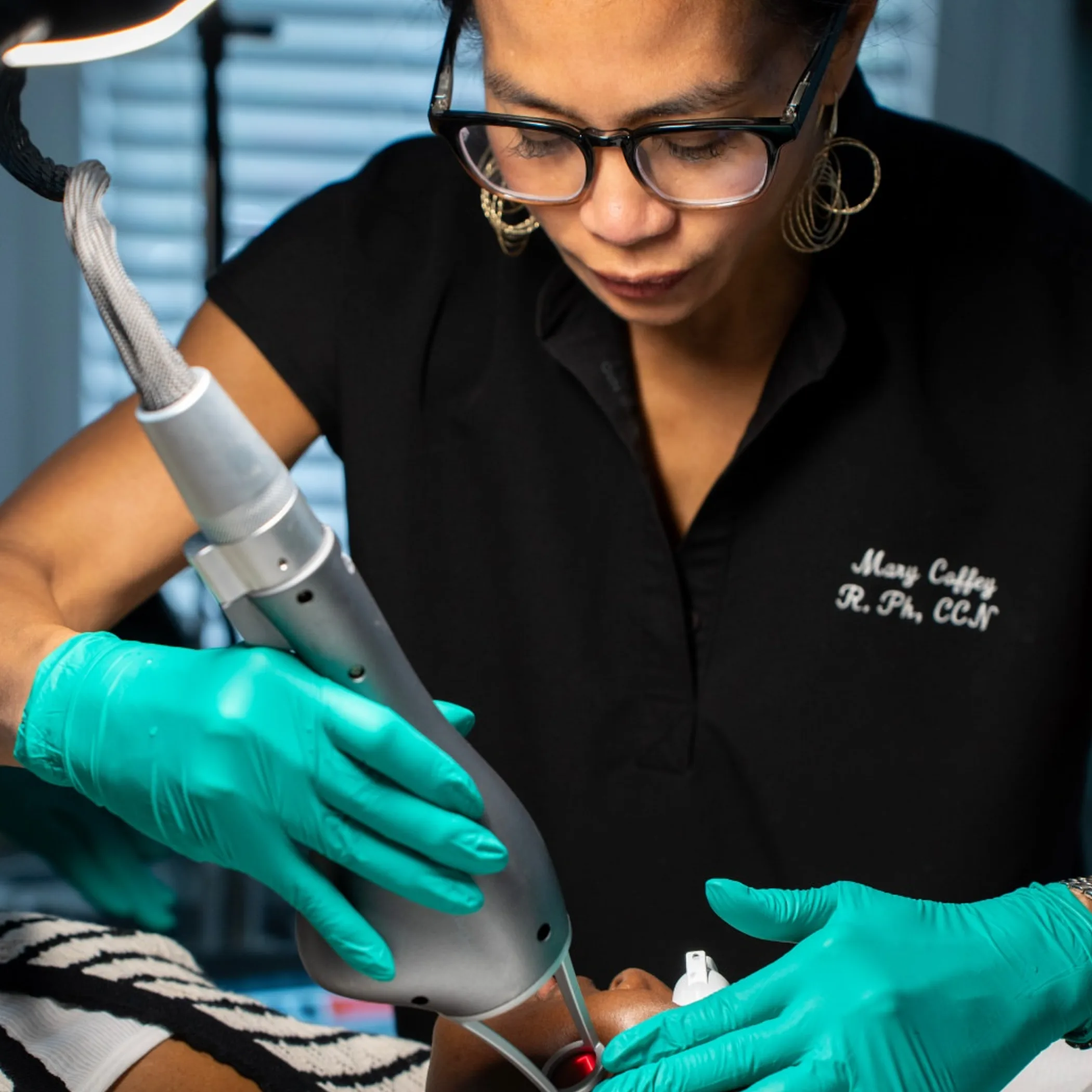
It is hard to generalise. You might get a few quick pinpricks having your legs done for hair removal but ablative resurfacing can involve painful fractional laser procedures, with its attendant heat and post-treatment discomfort. Pulse strength, the number of passes and the area in question all play a part.
You will not find a national figure that tells an Australian patient exactly how painful a session will be. Clinics do not work to some universal pain score; they go by the practitioner’s read on the situation and the patient’s own response. To think otherwise is to invite being taken aback.
Reality Check
The notion is that numbing cream will render the procedure entirely painless. In fact it tends to take the edge off sharpness though you may still feel pressure and heat. Or the idea that greater pain equates to better results. Excessive pain is more likely a sign that the timing or the settings require a second look.
With a fractional laser several things come into play for pain management. There could be a cold compress to follow the topical anaesthetic and cooling air with every pulse. Should the treatment be of a deeper nature the practitioner might put forward a staged plan or further relief.
Pain Relief in Practice
Before the device comes anywhere near your skin a consultation is in order so the practitioner can run through your medical history and medications, see how your skin is and what you are expecting.
Proper pain management has a purpose beyond comfort; it keeps you from moving about, ensuring even passes and a consistent treatment. A clinic will be able to tell you why they are using what they are and what to do should it become too much.
When to Use Topical Numbing Cream
Be it lidocaine or tetracaine, the protocol for application is dictated by the product and concentration. Some need to be left on for a while then removed, others are not for certain procedures. Do not be tempted to put on a high-strength or prescription numbing agent at home without being told to do so. Broken skin, leaving it on too long or covering too wide an area are risks. The clinic will let you know the quantities and whether to remove it prior to coming in.
While it will mitigate the sting, the sensation of heat is not always banished. Have you had a reaction to anaesthetics in the past? Make it known at the consultation, a patch test might be called for.
Cooling and Compresses
For resurfacing, vascular work or hair removal a laser cooling device is quite evident. Some employ dynamic cooling for a burst around the time of the pulse, other clinics will have a stream of chilled (or 冷却) air on the area.
To put the swelling and heat out after a session a cold compress is fine. But an ice pack has no place directly on new treatment; wrap it in a cloth and don’t turn your face into some frozen peas experiment, moderation is key. Follow what the clinic says.
A Matter of Sensation
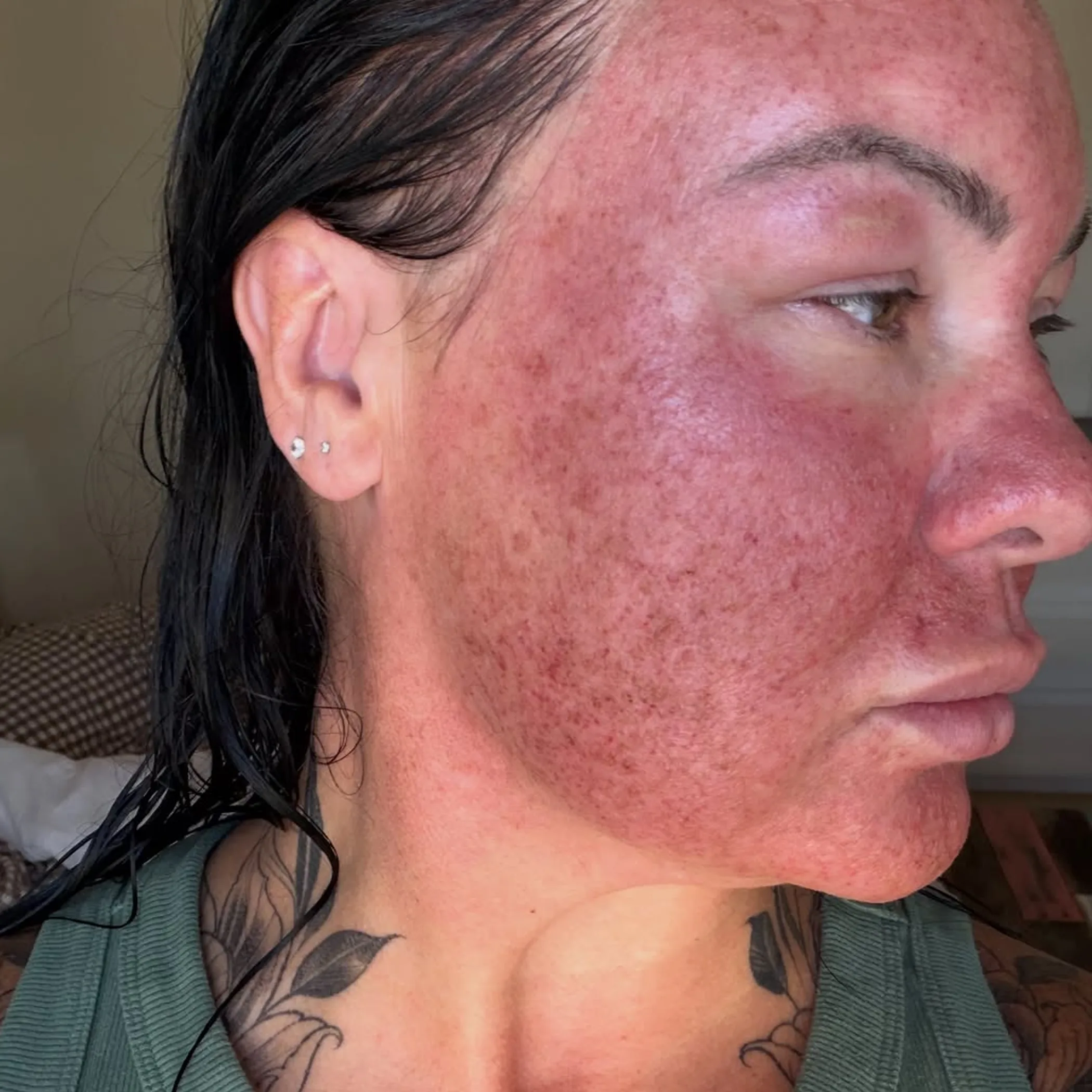
One does not ask “does it hurt?” without specifying the laser and expect an answer, much like inquiring if the weather in Australia is pleasant. It depends on the day. Different lasers mean different sensations.
What follows is a table of sorts to give you an idea, but individual sensitivity and the settings will alter the experience.
| Treatment | Common sensation | Typical pain-management options | Practical recovery considerations |
|---|---|---|---|
| Fractional laser resurfacing | One will feel a combination of heat, prickling and repeated snapping. | A topical anaesthetic cream, cold compress or cooling air are the usual ways to deal with it. | Do not be surprised by some redness, warmth and swelling for a few days. |
| CO2 laser resurfacing | With deeper work there is a pronounced stinging and strong heat. | Medical pain relief, active cooling as needed and a topical anaesthetic are in order. | An ablative treatment can make for a more onerous recovery. |
| PICO laser | Sensations of pinpricks or fast snapping are to be expected. | Protective eyewear is worn and a topical anaesthetic applied to certain areas with cooling. | Some swelling or redness may be temporary. |
| Laser hair removal | It is common to have short-lived redness in the vicinity of the follicles. The procedure feels like elastic-band flicks or warm pinpricks. | Where suitable a gel, chilled air or dynamic cooling is used. | Short-lived redness around follicles is common. |
| Laser tattoo removal | There is a sharpness to the snapping, accompanied by heat and tenderness. | Sessions are spaced out with the aid of cooling and topical anaesthetic. | Aftercare is called for should any blistering or swelling present itself. |
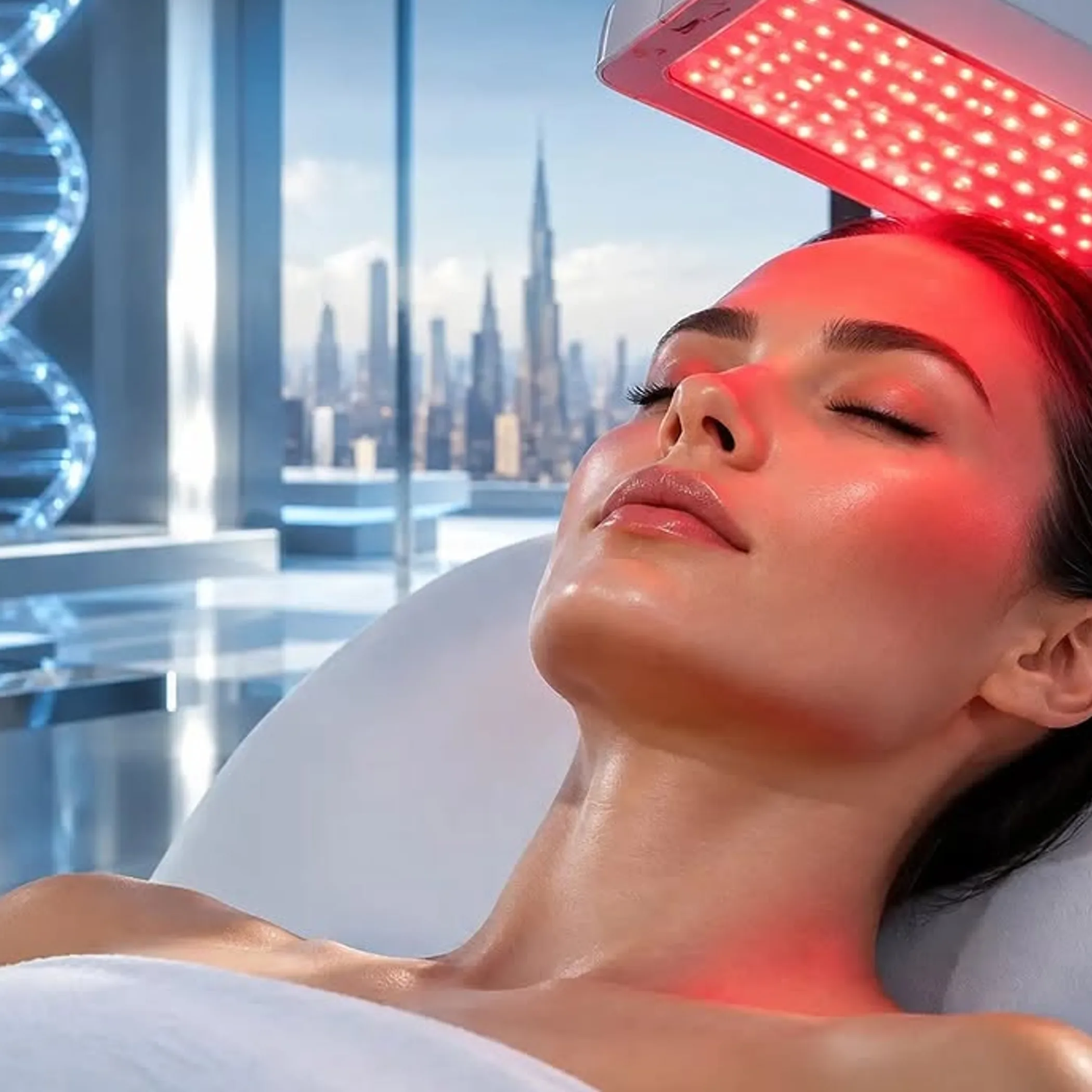
| Low Level Laser Therapy | Generally an approach of low intensity (LLLT, PBM or Photobiomodulation), one is unlikely to experience much in the way of pain. | An anaesthetic is not normally necessary. | LLLT, Photobiomodulation and PBM are generally low-intensity approaches. |
Fractional And CO2 Treatments
In fractional treatments the skin around the microscopic zones being treated is left alone. Yet the feeling can mount over the course of the session, especially on the forehead, about the nose and upper lip. A lower setting at the outset, numbing cream, a break or some cooling air are part of the pain management.
The pain from a CO2 resurfacing is more apparent since the treatment, whether fractional or ablative, has the potential to remove or put more heat into the surface tissue. Deeper treatment means more time for recovery and more swelling. It is worth making clear if what is on offer is non-ablative, fully ablative or fractional ablative.
Those concerned with the prospect of a painful fractional laser might put too much stock in the treatment itself. More pertinent is the matter of the first evening: can one get a good night’s sleep and for how long will redness intrude on social or work commitments?
PICO, Hair And Tattoo Lasers
The pulses with a PICO laser are brief so the treatment seems to be over in a hurry, but that is not to say there is no sensation. With tattoo removal the pain can be worse on the ribs, wrist or ankle. A topical anaesthetic and cooling will be of assistance provided the practitioner is satisfied the product is right for it.
As for hair removal, less dense hair equates to less pain, though the underarms, bikini line and lower legs are more of a mixed bag. Make sure to shave properly to keep down any surface heat but do not pluck or wax before hand as that will upset the plan; adhere to the clinic’s instructions.
Oral Relief And Nitrous Oxide
For some procedures paracetamol or the like may be put forward, but do not think a more powerful tablet is inherently better or safer. It comes down to the type of treatment, your other medicines, liver health, allergies and medical history.
A few medical practices will use nitrous oxide or laughing gas for the right procedure, but it is not something you will find at every cosmetic clinic. There has to be the right staff and equipment in place to screen and monitor its use. And it could preclude driving after the fact.
Getting Home
If the clinic gives the go ahead and vision is not impaired, a short drive or public transport is feasible for anything minor. Where there is sedation or considerable swelling, or you have been given stronger oral pain relief, have another adult put in the drive. Inquire as to parking and lift access and if there is somewhere to wait in private.
Allow yourself more time than a dash to a meeting would allow. Between the consent, photographs, numbing, the actual laser passes and the post-care talk, a consultation will run longer than you might think. If the face has been treated, a pair of sunglasses and a clean hat are sensible to have.
Safety Checks
Regulations in Australia for cosmetic laser work are not to be found in one national rulebook. They may pertain to the device and service in question and come from state or territory health authorities, workplace and radiation safety rules and the scope of the practitioner.
Put to them who is doing the work and on what basis, their training and the device they employ, and the protocol for a complication. The Therapeutic Goods Administration has official data on medical devices for the Australian consumer and practitioner.
Skin Type And Treatment Settings
Because melanin has a way of absorbing the laser energy, skin type is a factor in planning. A good practitioner will see to the wavelength, fluence, pulse duration and test-spot accordingly. An active dermatitis, infection, a tan or some medications may mean the treatment is put off.
Be open with the clinic regarding any keloid scarring, pregnancy, photosensitising medicines, cold sores or a history of isotretinoin. There is no point in concealing a tan in the interest of holding on to a booking, the laser is not swayed by optimism.
Questions Worth Asking
- Is the proposed treatment ablative or non-ablative and which laser and settings are involved?
- The following are some questions to consider: what is the extent of pain relief in the quoted price and what will be an additional cost?
- In the event of complications after hours, who has the onus of assessment?
- And which symptoms would warrant an urgent call or a medical review?
- One also has to wonder if driving, working and exercise are permissible in the wake of treatment.
Managing your recovery at home
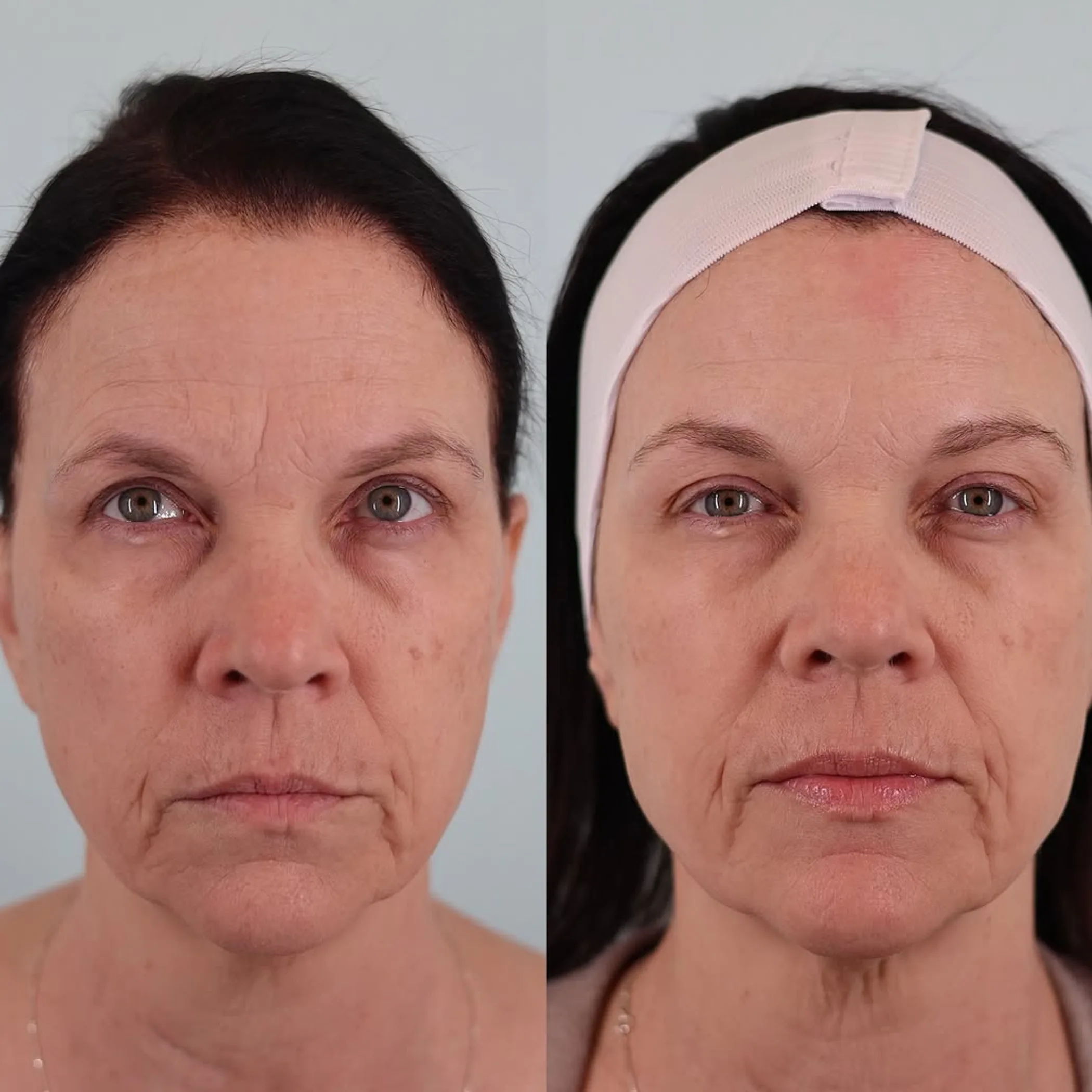
It is not unusual to have some redness, stinging, heat and swelling post treatment, though how pronounced it is will be down to the procedure. The clinic ought to put in writing their aftercare instructions as to cleansing, moisturising, sun protection, makeup, swimming and the resumption of active skincare.
Stick to products that are suited to skin that has just been treated. Do not pick at it or scrub it, take very hot showers or use any acids or retinoids you have not been given the go ahead for while the barrier is mending. As for sun, it can lead to pigment changes so factor in your ability to shield the area when planning treatment.
When to make contact with the clinic
Should you see blisters spreading, the skin growing hot, or signs of infection, or if the pain is getting worse instead of abating and there is considerable swelling, get in touch. For any serious allergic reaction such as hives, trouble breathing or facial swelling, do not hesitate to seek medical attention.
Then there is the matter of underestimating the next morning. You might think you are fine to go out but find you are left with visible tightness or redness once you have woken up. If a passport photo, presentation or wedding is on the agenda, allow more time for recovery than the clinic’s most optimistic figures.
Practicalities and costs
In Australia the price of laser work is a function of the type of laser, where the clinic is situated, the practitioner and the area to be treated, as well as the number of passes and if numbing or cooling is part of the deal. A small patch of hair removal will not set one back nearly as much as full face CO2 resurfacing. With tattoo removal being a multi-session affair, it is better to compare the course as a whole.
Put in for a written quote from the clinic that makes a distinction between the consultation, follow ups, topical anaesthetic, any prescription required and after-hours support. There may be a variance in pricing between Sydney, Melbourne, Brisbane and Perth or a regional operation, but a good headline figure means little if they add on for essential pain management later.
A checklist for the day
- Make sure the clinic is qualified and has complication advice and practitioner details to hand.
- Be clear on the laser being used and the recovery period and any discomfort to expect.
- Enquire as to the handling of oral relief and topical anaesthetic.
- Should sedation or anything strong be in the offing, make transport arrangements.
- Any sign of being unwell or a fresh tan or sunburn is reason to put off the procedure.
Laser Pain Management FAQs
What does it entail?
By way of definition, laser pain management is the application of measures to lessen discomfort in the course of and before and after a treatment. This could be in the form of tetracaine, lidocaine or a topical cream, dynamic or chilled air, cold compresses, local anaesthetic in certain settings and the right kind of oral medication.
On the cost of CO2 resurfacing
You will not find an across the board price in Australia. It is determined by the depth and area, the clinic and its staff, the anaesthetic and follow-up. An itemised quote is in order to see if the tab includes numbing, medicines and reviews.
Rules of the road in Australia
These are dictated by the state or territory, the device and the practitioner. A clinic must adhere to professional practice and safety requirements for the workplace, radiation and medical devices. Find out from them what authority governs the treatment and the handling of any adverse events.
Is a laser clinic the place to be?
Look at the qualifications of the practitioner, the quality of the consultation, hygiene and whether claims are realistic. Reviews have their place but are no substitute for having your skin and history properly appraised.
Does it invariably hurt?
Not necessarily. With LLLT, PBM and Photobiomodulation there is often no painful sensation to speak of. Other types of treatment can be hot or stingy. It is a question of the treatment and your skin; a test spot is advisable in some cases.
To have confidence in your comfort
An honest clinic will not put forward a treatment as being entirely without sensation, but with the right plan of cooling, numbing and aftercare tailored to you, there is a world of difference. Before making a booking, consider the whole of it: the device, the person treating you, how they deal with discomfort and whom to ring should there be a problem. It is worth asking a few things outright to avoid any unnecessary worry or an unduly uncomfortable ride home.
