With areola colour correction one can improve uneven colour or put right discolouration that has been left by surgery or scarring, as well as natural changes, and put back lost pigment. The procedure is a type of paramedical tattooing which puts medical-grade pigments of a kind that have been chosen with care into the upper dermis of the skin.
Alexander Vale sets out in this guide the ins and outs of the treatment: who it is for, the matter of healing and longevity, what to put to an Australian studio before you make a booking. Put simply, there is no magic wand to speak of, though judicious use of colour will be of some consequence. To get good results you need an experienced hand, suitable skin, proper aftercare and to plan with realism.
What Is Involved in Areola Colour Correction
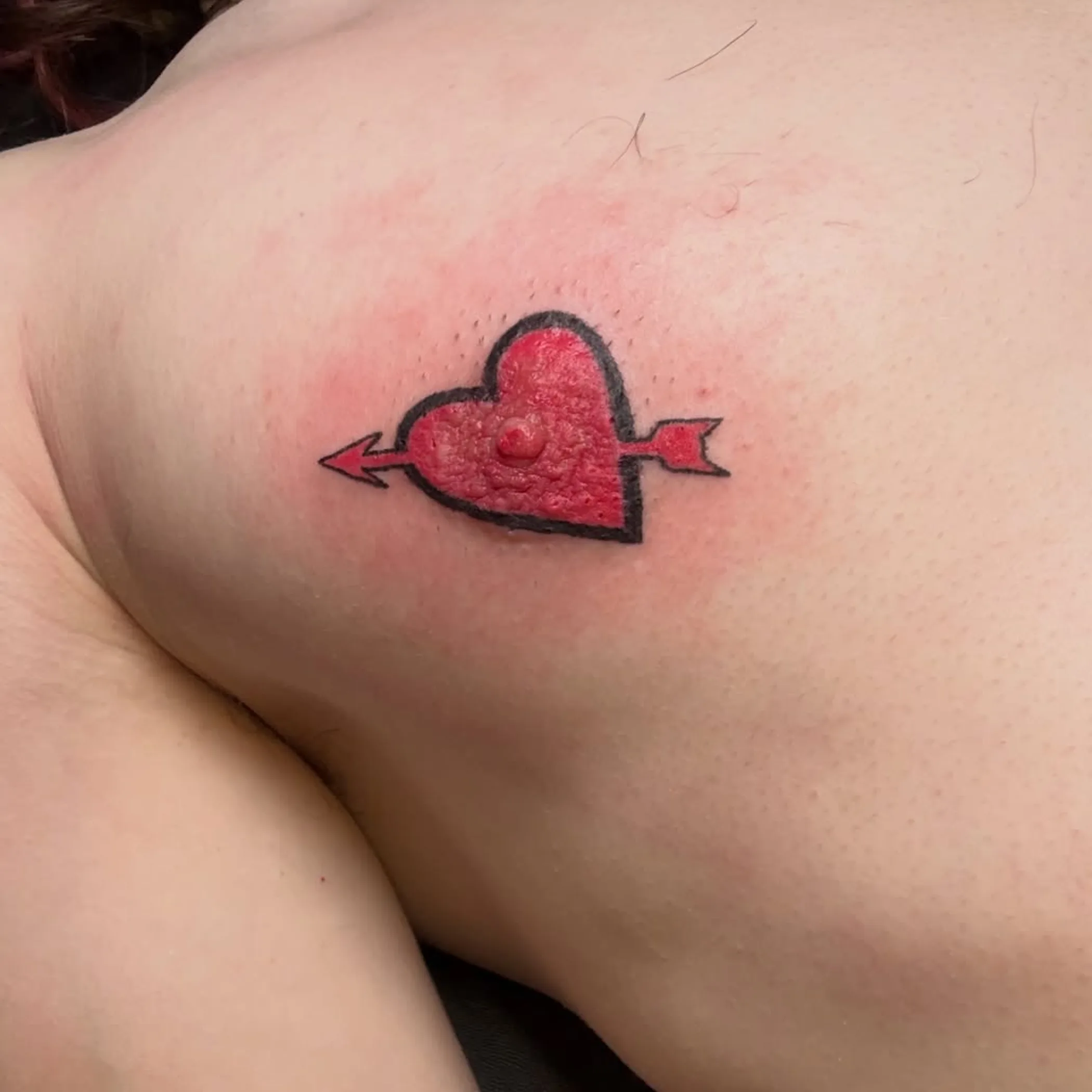
As a restorative and cosmetic measure, the treatment is meant to put some balance or depth of tone into the nipple-areola complex. It can be used where there is asymmetry, uneven areola colour or a loss of pigment.
Before he puts any pigment to the skin, a competent practitioner will have made his assessment of your skin tone, scar tissue and what you are looking to achieve. One does not want a flat block of colour that has all the look of being freshly on; the objective is something more natural.
Treatment Goals
For some it is a case of wanting to take the edge off a change in colour. For others, following a mastectomy, top surgery, a breast lift or augmentation, reconstruction or reduction, they may wish to have their areola put back in place.
Micropigmentation of the areola can go some way to camouflaging a scar that mars the surrounding skin. It will not repair the tissue or do away with the scar but can lessen the visual contrast. What you end up with is down to the state of the skin and its natural pigment. It is not a means of making a new nipple and areola de novo, even if it might feature in a 3D or other form of areola tattoo.
Who Is a Candidate for the Treatment
Adults with stable skin and a reason, be it medical or cosmetic, for a pigment adjustment could be suited to areola colour correction, provided they have realistic expectations.
Then again, a consultation is called for since the cause of a colour problem can vary. Sun fading is not the same as post-surgical pigment loss and unscarred skin is not like scar tissue. The internet would have you believe otherwise but the skin is not a blank canvas.
Limits and Suitability
The treatment can be appropriate for dealing with asymmetry, colour issues after a mastectomy, unevenness from breast reconstruction or a mature surgical scar. Previous areola tattooing that has seen better days is another example.
If the area is inflamed, infected or has not had time to heal from recent surgery, a practitioner will likely put you off. One has to be mindful of scar maturity; a scar will soften and alter in colour over months and to treat it prematurely is to risk an uncertain outcome. And if you are on a medication or have a condition that is going to impede healing or bleeding you will want medical clearance. Your doctor’s word is final, though Healthdirect’s information on cosmetic procedures has some pertinent information to get started.
When to Hold Off
An open wound, infection, rash or an immature scar are all reasons to delay. The same goes if you are pregnant, breastfeeding or immunocompromised, in which case a word with your doctor is in order.
Any propensity for difficult scarring should be put to the practitioner at the consultation. They should be frank about the risks and limitations before any deposit is taken and not make promises as to how the scar will behave.
In the Wake of a Mastectomy or Reconstruction
Once the surgical team gives the all clear, an areola tattoo can be the finishing touch to a breast reconstruction. Some find it a practical matter, for others it is a way of closing the book on things. Either way it is valid.
The work may be to put shape and colour back around a reconstructed nipple or to give the illusion of a nipple-areola complex through optical shading. Where possible a 3D effect adds dimension without any physical projection.
Timing After Surgery
On the subject of timing after surgery, every case is different. You will have to consider the skin type, the outcomes of the surgery and the advice of your medical team. One should not begin treatment until the area is in a stable condition. There is the potential for shape or colour to be changed at a later date by swelling, procedures in progress or scar tissue that has yet to settle. A practitioner of care will want to know of any current medical advice as well as operation dates, revisions, radiotherapy and complications.
Radiotherapy has an impact on healing, elasticity and the sensitivity of the skin. Should you have had radiotherapy or have more surgery in the offing, it is best to put the timing to your specialist or surgeon prior to making a booking.
Emotional Readiness Matters
Then there is the matter of emotional readiness. It is common to put all the emphasis on how it will look and not give enough thought to the emotional element. A consultation, some reference photos or the very talk of surgery can be unsettling.
An appointment with a good professional is respectful and does not put one in a hurry; you are free to have your questions answered or to change your mind, and if the studio is amenable, to have a support person present. After all, this is a decision regarding an intimate part of the body, not a haircut.
The Colour Process
In areola colour correction the practitioner makes use of colour theory and controlled placement of pigment, matching the skin tone. What is there already in the way of areola, undertones and scar tissue is taken into account along with the probable healing of the pigment.
By means of a tattoo machine or micropigmentation equipment the pigment is put in the upper dermal layer. One will usually see the treatment done in stages since once healed the colour is not the same as when fresh.
Choosing the Right Pigment
It is not as simple as picking something off a chart to match the skin tone. Undertones can be anything from warm to mixed and old pigment might lend a grey, brown or pink tinge.
To accommodate the treatment area the practitioner will blend and select medical-grade pigments. A softer corrective colour may be applied first and then put right after it has healed; such an approach is less likely to overcorrect in a single sitting.
Do not be surprised if the new pigment seems more saturated or brighter than what you will end up with. Your practitioner ought to make the expected changes plain and not just tell you to “trust the process” to put you off.
A Typical Plan of Action
You can expect a plan that covers everything from consent and preparation to the placing of pigment and a review. Length of appointments is variable. Make time for photographs, mapping and the odd break, especially where the skin is scarred or sensitive. There is no need for a personal day to be made rough by being rushed.
| Stage | What Happens | Useful Timing Guide |
|---|---|---|
| Consultation | To go over expectations, colour, skin assessment and medical history | 30 to 60 minutes or so |
| Initial treatment | Pigment placement, mapping and prep of the skin | 1–3 hours in most cases |
| Early healing | Skin repairs and the colour settles | From a few days to weeks |
| Review | For the practitioner to check symmetry and the healed colour | After surface has fully healed |
| Touch-up | Any refinements to balance or depth | Where it is appropriate clinically and cosmetically |
These are guidelines rather than a guarantee. The time taken can be dictated by the density of scarring, the number of areas and if areola restoration is being done alongside colour correction.
On the Day of Your Consultation or Treatment
The consultation is where you should get a straight answer on what can be improved, what will show and the number of sessions called for. Request to view examples that have healed, not just fresh pictures from the treatment room.
As for the studio, they will have their own way of doing things when it comes to pricing, deposits and cancellation. Some will have a set fee for the treatment, others bill by the hour or the appointment. A high price is no assurance of quality any more than the lowest is the safest.
Questions to Put to Them
Find out who is doing the work and what their training is, how they deal with infection control and which pigments are used. Have they put in the time with post-mastectomy or breast reconstruction tattoos and scar tissue? How do they cope with an unexpected healing or a complication?
Make sure you understand if the figure quoted is inclusive of the initial session, review and touch-up as well as the consultation. Inquire as to parking and privacy and whether you can be accompanied. If getting to the studio is not easy, arrange transport so you are not in a dash to get home.
For the treatment day itself put on something comfortable and unrestrictive. You will both be better for a calm appointment if you have not come in dehydrated or sunburnt or in the wake of hard exercise.
Results and Aftercare
Do not think of healing as an afterthought. At first the area can seem uneven or tender and run a little dark as the skin is settling. That is not the finished article.
Be sure to put the studio’s aftercare instructions into practice and put in a call to the practitioner should any unanticipated symptoms give you cause for concern. In the event of what appears to be an infection, or if there is severe pain, discharge, marked swelling or redness that is spreading, medical attention is called for.
A Checklist for Aftercare
- Adhere to the product directions and maintain cleanliness of the area.
- Refrain from any strenuous exercise, saunas, hot baths or swimming until you have been told the skin has properly closed and healed.
- While the area is healing keep out of the sun; when it is ready apply an appropriate form of protection.
- Leave any flaking skin alone, do not peel or scratch at it.
- Have your review appointment in before making a judgement on the need for further pigment.
It is all too easy to make the error of regarding the area as one would an ordinary tattoo. With scarred or reconstructed skin the healing process can be different and you may run into trouble by overapplying ointment, soaking the skin or putting it through exercise prematurely.
Then there is the matter of colour which can seem to recede in a big way as part of the healing only to come back softer. There is no point in booking a touch-up on account of the area looking pale in the early going.
Longevity and What to Expect Down the Line
One does not get something indestructible with areola micropigmentation, it is semi-permanent. How long it will hold up is a function of the pigment used, your immune system, skin type, friction and so forth, as well as prior surgery and sun exposure.
An honest practitioner will not put a number of years on the result but will talk through probable maintenance with reference to your history and skin. Some will require a touch-up at some stage but there is no universal date of expiry.
Factors That Will Affect Colour
The sun will have its effect on the pigment and the tone of the skin around it. So too can ageing, weight fluctuations, hormones or more surgery, which can impact symmetry or the appearance of the colour.
Any future medical treatment is another variable. Should you be contemplating a revision or other procedure, the practitioner needs to be made aware of this beforehand. A good outcome today has to be sensible in the context of your care to come.
Reality Check
Expectation: You might expect a single visit to put right all colour issues. Reality: A correction of layered pigment is better done once the results have been seen post-healing.
Expectation: A 3D areola tattoo will be indistinguishable from the real thing at every angle. Reality: A skilled hand with the shading will give a sense of depth from where you normally stand, but it is still a two-dimensional piece of work.
Expectation: A scar camouflage will obliterate a scar. Reality: It will not; texture and raised tissue are still going to show even if the contrast in colour is lessened.
Expectation: Price is evidence of quality. Reality: The assessment of suitability, communication, hygiene and how things look once healed are of equal import.
Frequently Asked Questions on Areola Colour Correction
What Is the Cost of an Areola Tattoo?
There is no set price in Australia. It will depend on the studio and the complexity of the case, whether both sides are done or just one, and if it is a matter of correcting a previous tattoo or post-surgery. Some will charge by the hour, others have a fixed fee. Get a written estimate in AUD from them detailing what is covered in the consultation, the initial work and the review.
How Long Will the Micropigmentation Be There?
Over time it will change, being semi-permanent. Skin type, aftercare, the pigment and sun are among the things that determine longevity. You may find a touch-up is necessary but a responsible practitioner will not put a guarantee on it.
Is the Look of an Areola Tattoo Realistic?
With soft shading, natural asymmetry and colour blending it can be. One gets a 3D impression of depth but it will not respond in the same way as natural tissue under all lights and angles.
Is $200 an Hour Excessive?
Not necessarily. Medical tattooing entails specialist training, insurance, sterile equipment and selection of pigments, to say nothing of the consultation and aftercare. Judge the service and the experience of the practitioner and the healed results, not just the hourly rate.
Can Surgical Scars Be Covered by Colour Correction?
In the case of a mature scar the colour contrast can be reduced but a perfect match is not assured and the texture of the scar remains. The practitioner will want to see the history of the pigment and condition of the skin before proceeding. For some scars a different medical approach is preferable.
Finding a Studio That Is Right for You
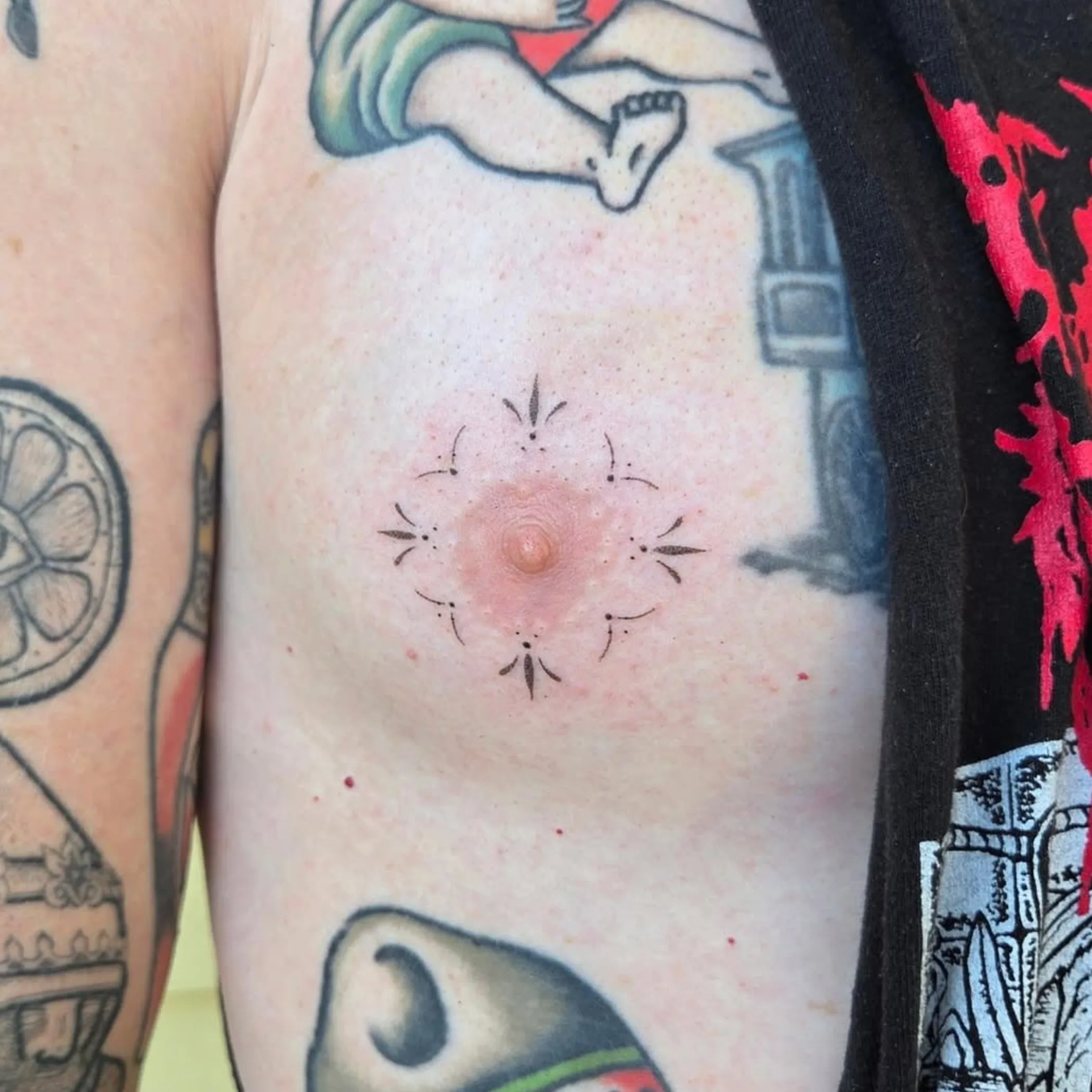
Qualifications, pricing, limitations, hygiene and follow-up are matters a good studio will be forthcoming about. Make sure there are private spaces for treatment and consent procedures in place and ask to see some examples of healed work on skin and surgical histories like your own.
Do not be swayed by a nice Instagram photo and glossy walls. Spend some time in consultation so you know who to ring if there is an issue and what the treatment is and is not capable of.
Areola colour correction is a means of dealing with the uneven colour and contrast that can be left by reconstruction or surgery. Provided there is proper aftercare and timing and one has the right expectations, it can lend a certain balance to the nipple-areola complex.
Alexander Vale is of the view that the consultation is where the decision is made. If the practitioner is a good listener, makes the risks plain and has some credible work to show, then you are in a much better position to determine if the treatment is for you.
